Securing a loan quickly can be a lifeline in times of financial need. Understanding the intricacies of quick loan application approval, however, is crucial to navigating the process successfully. This guide delves into the factors influencing approval speed, from the type of loan and your credit score to the lender’s policies and your preparedness. We’ll explore best practices for a smoother application, potential pitfalls to avoid, and alternatives if a quick loan isn’t the best option.
From understanding the meaning of “quick approval” in the context of various loan types to exploring the potential risks and responsible borrowing strategies, this comprehensive guide will equip you with the knowledge to make informed decisions. We’ll examine the application process step-by-step, highlighting key considerations at each stage, and offer real-world examples to illustrate both successful and unsuccessful applications.
Defining “Quick Loan Application Approval”
Quick loan application approval refers to the expedited processing of a loan application, resulting in a faster decision from the lender regarding approval or denial. The speed of approval varies significantly depending on the type of loan, the lender’s policies, and the applicant’s financial situation. While the term “quick” is often used in advertising, the actual timeframe can differ considerably from what’s implied.The meaning of “quick” in the context of loan approvals is relative.
A “quick” approval for a payday loan might be within minutes, while a “quick” approval for a mortgage could take several days or even weeks. The key is the relative speed compared to the typical processing time for that specific loan type.
Factors Contributing to Fast Loan Approval
Several factors can contribute to a fast loan approval process. These include a strong credit score, providing complete and accurate application information upfront, choosing a lender known for efficient processing, and utilizing online application platforms which automate parts of the process. Lenders often prioritize applications that are straightforward and present minimal risk. Pre-qualification or pre-approval can also significantly reduce the overall approval time by streamlining the later stages of the application.
For instance, pre-qualifying for a mortgage involves providing basic financial information to get an estimate of how much you might be able to borrow, this preliminary step significantly shortens the time needed to complete the full application later.
Differences Between Advertised and Actual Processing Times
Advertised “quick” approvals frequently represent the best-case scenario. Lenders often highlight the shortest possible processing time, while overlooking factors that can cause delays. These delays can stem from incomplete applications, discrepancies in provided information, additional verification checks required by the lender, and the lender’s internal processing capacity. For example, a lender might advertise a “same-day” approval for personal loans, but this is contingent upon the applicant meeting all requirements and submitting a complete application early in the business day.
Delays might arise if the applicant’s income verification takes longer than expected or if the lender needs to review additional documentation.
Loan Approval Speed Comparison
| Loan Type | Average Approval Time | Factors Affecting Speed | Potential Delays |
|---|---|---|---|
| Payday Loan | Minutes to Hours | Credit score (often not a major factor), income verification, debt-to-income ratio | Insufficient funds in bank account, inaccurate application information, lender’s system issues |
| Personal Loan | Hours to Days | Credit score, debt-to-income ratio, income verification, loan amount | Incomplete application, discrepancies in provided information, need for additional documentation, lender’s internal review process |
| Mortgage | Weeks to Months | Credit score, debt-to-income ratio, down payment, appraisal, loan-to-value ratio | Appraisal delays, issues with property title, incomplete documentation, lender’s underwriting process |
| Auto Loan | Days to Weeks | Credit score, debt-to-income ratio, vehicle value, loan amount | Issues with vehicle title, incomplete application, lender’s verification process |
The Loan Application Process

Securing a loan can seem daunting, but understanding the process can significantly reduce stress and increase your chances of quick approval. The application process involves several key steps, each contributing to the lender’s assessment of your creditworthiness and repayment ability. Careful preparation and attention to detail throughout this process are crucial for a smooth and efficient experience.The typical loan application process involves several stages, from initial application to final disbursement of funds.
Applicants should be prepared to provide comprehensive information and documentation to support their application. The speed of approval depends on several factors, including the completeness of the application, the applicant’s credit history, and the lender’s internal processing times.
Steps Involved in a Loan Application
The application process generally begins with completing a loan application form, either online or in person. This form requires detailed personal and financial information, including income, employment history, and existing debts. Next, the lender will review the application and supporting documentation. This review process assesses the applicant’s creditworthiness and ability to repay the loan. Following a thorough review, the lender will either approve or deny the loan application.
If approved, the lender will Artikel the loan terms, including interest rates and repayment schedules. Finally, the loan funds will be disbursed to the applicant once all conditions are met. The entire process, while varying by lender and loan type, typically involves these key steps.
Best Practices for Expediting the Approval Process
Preparing all necessary documents beforehand significantly streamlines the application process. Accuracy in the information provided is paramount; inaccuracies can delay approval or even lead to rejection. Maintaining a strong credit score and a stable financial history are also crucial. Early communication with the lender to address any questions or concerns can prevent delays. Finally, choosing a lender that aligns with your financial situation and loan needs ensures a more efficient process.
Commonly Required Documents for Loan Applications
A comprehensive list of documents is often required for loan applications. This typically includes proof of identity (such as a driver’s license or passport), proof of income (such as pay stubs or tax returns), and proof of address (such as a utility bill). Additionally, lenders may request bank statements, credit reports, and employment verification. The specific documents required may vary depending on the lender and the type of loan being applied for.
Having these documents readily available simplifies and expedites the application process.
Credit Scores and Financial History in Loan Approvals
Credit scores and financial history are central to loan approval decisions. Lenders use these factors to assess the applicant’s creditworthiness and repayment ability. A higher credit score generally indicates a lower risk to the lender, resulting in a greater likelihood of approval and potentially more favorable loan terms. A strong financial history, demonstrating consistent income and responsible debt management, further strengthens the application.
Conversely, a poor credit score or a history of financial instability can significantly reduce the chances of loan approval. For example, a FICO score above 700 is generally considered good and often leads to better loan offers, while a score below 600 might make approval difficult or result in higher interest rates.
Factors Influencing Approval Speed
Securing a loan quickly hinges on several interconnected factors. Lenders employ a rigorous assessment process to evaluate risk and ensure responsible lending practices. Understanding these factors can significantly improve your chances of a swift approval. This section will delve into the key elements influencing loan application processing times.
Key Factors Considered by Lenders
Lenders assess numerous factors to determine creditworthiness and the likelihood of repayment. These factors significantly impact the speed of the approval process. A strong application demonstrates financial responsibility and reduces the lender’s perceived risk.
- Credit Score: A higher credit score indicates a lower risk of default, leading to faster approvals. Scores above 700 generally result in more favorable terms and quicker processing.
- Debt-to-Income Ratio (DTI): This ratio compares your monthly debt payments to your gross monthly income. A lower DTI suggests you have more capacity to manage additional debt, speeding up the approval process.
- Income Stability and Verification: Consistent income from a reliable source is crucial. Lenders require proof of income through pay stubs, tax returns, or bank statements. Providing this documentation promptly streamlines the process.
- Loan Amount and Type: Smaller loan amounts are typically processed faster than larger ones. Similarly, simpler loan types, such as personal loans, often have quicker approval times compared to complex ones like mortgages.
- Loan Purpose: The intended use of the loan can influence approval speed. Loans for essential purposes, such as debt consolidation or medical expenses, might be prioritized.
Impact of Different Lending Institutions
The type of lending institution significantly affects the speed of loan approval. Each institution has its own processes, technology, and risk assessment criteria.
- Online Lenders: Often characterized by automated systems and quicker turnaround times. Their streamlined processes and use of technology allow for faster decisions, sometimes within minutes or hours.
- Traditional Banks: Typically involve more manual processes and a greater emphasis on personal interaction. Approval times may be longer, ranging from a few days to several weeks, due to more extensive verification procedures.
- Credit Unions: Often offer a balance between the speed of online lenders and the personalized service of banks. Their approval times can vary depending on their specific processes and loan types.
Online Lenders vs. Traditional Banks: A Comparison
Online lenders and traditional banks differ significantly in their loan approval processes. Online lenders leverage technology for automation, while traditional banks rely more on manual review and in-person interactions.
| Feature | Online Lenders | Traditional Banks |
|---|---|---|
| Application Process | Fully online, often automated | Online or in-person, often involves manual review |
| Approval Time | Typically faster, often within minutes or hours | Typically slower, ranging from days to weeks |
| Customer Service | Often online chat or email support | In-person or phone support |
| Documentation Requirements | Generally less extensive | Usually more extensive |
Loan Approval Decision-Making Process
The following flowchart illustrates a simplified version of the loan approval decision-making process. Note that specific steps and criteria may vary across lenders.[A flowchart would be inserted here. It would begin with “Loan Application Received,” branching to “Credit Check,” then to “Income Verification,” followed by “Debt-to-Income Ratio Assessment.” These would converge at a “Risk Assessment” step, which would branch to “Approve” or “Deny.” The “Approve” branch would lead to “Loan Disbursement,” while the “Deny” branch would lead to “Application Rejection.”]
Potential Risks and Considerations
Seeking quick loan approval can offer convenience, but it’s crucial to understand the potential drawbacks. While speed is attractive, rushing into a loan agreement without careful consideration can lead to significant financial difficulties. Understanding the terms, fees, and overall cost is paramount to making an informed decision.The allure of fast cash can overshadow the importance of thoroughly reviewing loan terms and conditions.
Failing to understand the fine print can result in unexpected fees and a higher overall cost of borrowing. High-interest rates, often associated with quick loans, can quickly escalate debt, making repayment a considerable burden. It’s essential to compare offers from multiple lenders to ensure you’re getting the best possible terms.
High-Interest Rates and Fees
Quick loans frequently come with significantly higher interest rates than traditional loans. For example, a payday loan might charge an annual percentage rate (APR) exceeding 400%, far exceeding the rates offered by banks or credit unions. Additionally, many quick loans include various fees, such as origination fees, late payment fees, and prepayment penalties, which can significantly increase the total cost of borrowing.
These fees can quickly accumulate, making it difficult to manage repayments and potentially leading to a cycle of debt. A borrower might initially receive a seemingly small loan amount, but due to these hidden costs, they end up owing substantially more.
Importance of Understanding Loan Terms and Conditions
Before signing any loan agreement, it’s imperative to thoroughly read and understand all terms and conditions. This includes the APR, the total amount to be repaid, the repayment schedule, and any associated fees. Pay close attention to the fine print, as this is where many hidden fees and penalties are often disclosed. A clear understanding of these terms will allow you to make an informed decision about whether the loan is financially feasible and suitable for your circumstances.
Ignoring this step can lead to unforeseen financial burdens and potential legal complications.
Questions Borrowers Should Ask
Understanding the implications of a quick loan requires proactive questioning. Before committing to a loan, borrowers should clarify several key aspects to ensure they are making a responsible financial decision.
- What is the total cost of the loan, including all fees and interest?
- What is the APR (Annual Percentage Rate)?
- What is the repayment schedule, and how much will each payment be?
- What are the consequences of late or missed payments?
- Are there any prepayment penalties?
- What happens if I cannot repay the loan?
- What are the lender’s policies regarding debt collection?
Alternatives to Quick Loans
Seeking immediate funds can be stressful, but thankfully, quick loans aren’t the only solution. Several alternatives offer financial flexibility without the potentially high costs and risks associated with short-term, high-interest loans. Choosing the right option depends on your specific financial situation and the amount you need.Exploring these alternatives allows for a more informed decision, potentially saving you significant amounts of money in the long run.
Careful consideration of your needs and the terms of each option is crucial before committing to any financial arrangement.
Personal Loans from Banks or Credit Unions
Personal loans from traditional financial institutions typically offer lower interest rates and longer repayment periods compared to quick loans. Credit unions often provide more favorable terms to their members. The application process might take longer than a quick loan, but the lower cost makes it worthwhile for many borrowers. For example, a personal loan of $5,000 with a 7% interest rate over 36 months would have a significantly lower monthly payment than a similar amount borrowed through a quick loan.
Lines of Credit
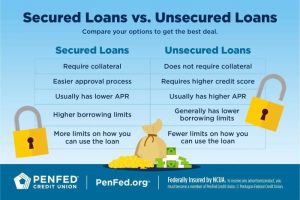
A line of credit, either secured (backed by collateral) or unsecured, provides access to funds as needed up to a pre-approved limit. This offers flexibility, allowing you to borrow only what you need and repay it over time. Interest is typically charged only on the outstanding balance, unlike a personal loan where interest is calculated on the entire loan amount.
A home equity line of credit (HELOC), for example, uses the equity in your home as collateral, potentially offering a lower interest rate but also carrying the risk of foreclosure if payments are not made.
Borrowing from Family or Friends
Borrowing from trusted family or friends can be a low-cost or even interest-free option, fostering stronger relationships. However, it’s crucial to formalize the agreement with a written contract outlining repayment terms to avoid misunderstandings and maintain a healthy relationship. This agreement should clearly define the loan amount, interest rate (if any), and repayment schedule. Failing to document such an agreement can lead to strained relationships.
Selling Unused Assets
Selling unused possessions, such as electronics, jewelry, or furniture, can provide immediate cash without incurring debt. Online marketplaces and consignment shops offer convenient platforms to sell items quickly. While this approach doesn’t solve long-term financial needs, it can address immediate expenses effectively. For instance, selling a gently used smartphone could provide several hundred dollars to cover an unexpected bill.
Negotiating with Creditors
If facing overdue bills, contacting creditors directly to negotiate a payment plan can prevent further damage to your credit score and potentially avoid additional fees. Many creditors are willing to work with borrowers facing temporary financial hardship. A payment plan can provide a structured repayment schedule, allowing you to manage debt without resorting to quick loans.
Responsible Borrowing Strategies
Understanding your budget is paramount before considering any loan. Creating a realistic budget involves tracking your income and expenses meticulously. This allows you to identify areas where you can cut back and allocate funds more effectively. Using budgeting apps or spreadsheets can significantly simplify this process. For example, tracking expenses for a month can reveal unnecessary subscriptions or spending habits that can be adjusted.
Creating a Realistic Budget
A realistic budget involves carefully listing all sources of income (salary, investments, etc.) and all expenses (housing, food, transportation, debt payments, etc.). The difference between income and expenses represents your disposable income. Prioritizing essential expenses and minimizing non-essential spending is key to avoiding debt. Budgeting apps can automate expense tracking and provide visual representations of spending patterns.
A sample budget might allocate 50% of income to needs, 30% to wants, and 20% to savings and debt repayment.
Obtaining quick loan approval requires careful planning and a thorough understanding of the process. While the allure of fast funds is undeniable, prioritizing responsible borrowing and exploring all available options remains paramount. By carefully considering the factors affecting approval speed, understanding the potential risks, and weighing alternatives, you can navigate the world of quick loans with confidence and make informed decisions that align with your financial well-being.
Remember, a well-prepared application significantly increases your chances of success.
FAQ Resource
What is a hard inquiry, and how does it affect my credit score?
A hard inquiry is a credit check performed by a lender when you apply for credit. It temporarily lowers your credit score, but the impact is usually minimal and temporary.
How can I improve my chances of loan approval?
Improve your credit score, ensure you have sufficient income to repay the loan, and gather all necessary documentation beforehand.
What are the common reasons for loan application rejection?
Common reasons include poor credit history, insufficient income, and incomplete application information.
What happens after my loan application is approved?
After approval, you’ll receive loan terms and conditions. Once you agree and sign, the funds will be disbursed according to the lender’s schedule.