Securing a loan with less-than-perfect credit can feel daunting, but it’s far from impossible. This guide navigates the complexities of loan applications for individuals with bad credit, offering insights into the process, available options, and strategies for increasing your chances of approval. We’ll explore various loan types, crucial factors influencing lender decisions, and how to identify reputable lenders to avoid predatory practices.
Understanding the nuances of bad credit loans empowers you to make informed decisions and navigate the financial landscape with confidence. We’ll cover everything from defining “bad credit” and its implications to outlining the steps involved in a successful loan application, empowering you to take control of your financial future.
Understanding Bad Credit Loan Applications

Securing a loan with bad credit can feel daunting, but understanding the process can significantly improve your chances of success. This section clarifies the intricacies of bad credit loans, outlining the types available, their associated costs, and the factors lenders consider.
Defining Bad Credit and its Impact
Bad credit, generally defined by a FICO score below 670, signifies a history of missed payments, high credit utilization, or bankruptcies. This negatively impacts loan applications as lenders perceive a higher risk of default. A lower credit score typically results in higher interest rates, stricter loan terms, and potentially limited loan options. For example, someone with a score of 550 might only qualify for a high-interest payday loan, while someone with a 620 score might be eligible for a personal loan with a slightly lower interest rate.
Types of Loans Available for Bad Credit
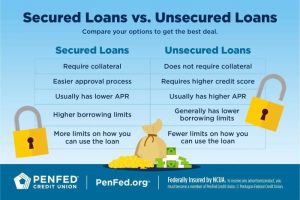
Several loan options cater to individuals with bad credit, each with varying characteristics. These include secured loans (requiring collateral), unsecured loans (without collateral), payday loans (short-term, high-interest loans), and personal loans (for various purposes). Credit unions sometimes offer loans with more lenient requirements than traditional banks.
Interest Rates and Terms of Bad Credit Loans
Interest rates and loan terms significantly differ depending on the loan type and the applicant’s creditworthiness. Payday loans, for instance, typically carry extremely high annual percentage rates (APRs), often exceeding 400%, and short repayment periods, typically two weeks to a month. Secured loans, while potentially offering lower interest rates due to the collateral, still often come with higher rates than loans for those with good credit.
Unsecured personal loans for bad credit typically fall somewhere in between, with APRs ranging from 10% to 36% or more, depending on the lender and the borrower’s credit profile. Loan terms vary, ranging from a few months to several years.
Factors Lenders Consider in Bad Credit Loan Applications
Lenders assess various factors beyond credit scores when reviewing bad credit loan applications. These include debt-to-income ratio (DTI), income stability, employment history, and the purpose of the loan. A low DTI, consistent income, and a clear explanation of the loan’s use can strengthen an application, even with a lower credit score. The type of loan applied for also influences the lender’s decision; secured loans are generally easier to obtain than unsecured loans due to the reduced risk for the lender.
Comparison of Loan Types
| Loan Type | Interest Rate Range | Typical Loan Amount | Repayment Terms |
|---|---|---|---|
| Secured Personal Loan | 8% – 25% | $1,000 – $50,000 | 12 – 60 months |
| Unsecured Personal Loan (Bad Credit) | 10% – 36%+ | $1,000 – $35,000 | 12 – 60 months |
| Payday Loan | 400% + | $100 – $1,000 | 2 weeks – 1 month |
| Credit Union Loan | Variable, often lower than banks | Variable | Variable |
The Loan Application Process for Bad Credit
Securing a loan with bad credit can feel daunting, but understanding the process can significantly improve your chances of success. This section Artikels the steps involved, the necessary documentation, tips for a smoother application, and the potential consequences of default. Remember, responsible borrowing is crucial, regardless of your credit history.
Necessary Documentation for Bad Credit Loan Applications
Lenders require specific documentation to assess your ability to repay a loan, even with less-than-perfect credit. This typically includes proof of income (pay stubs, tax returns, bank statements), identification (driver’s license, passport), and sometimes proof of residence (utility bills). The more comprehensive your documentation, the stronger your application will be. Providing inaccurate information can severely damage your chances of approval and may have legal ramifications.
Tips for Improving Chances of Approval for a Bad Credit Loan Application
Several strategies can enhance your application’s success. Improving your credit score before applying, if possible, is beneficial. This can involve paying down existing debts and ensuring timely payments. Choosing a loan amount you can realistically afford is crucial, as this demonstrates responsible borrowing habits to the lender. Furthermore, comparing offers from multiple lenders allows you to find the most favorable terms.
Finally, honestly and accurately completing the application is paramount.
Potential Consequences of Failing to Repay a Bad Credit Loan
Failure to repay a loan can have severe consequences. These include damaging your credit score further, potential legal action from the lender, wage garnishment, and even repossession of assets used as collateral (if applicable). Late payments or defaults can also impact your ability to secure loans, credit cards, or even rent an apartment in the future. It is imperative to understand the terms of the loan agreement and adhere to the repayment schedule.
Step-by-Step Guide to the Loan Application Process
Applying for a bad credit loan involves several distinct steps. Careful planning and meticulous execution can increase your likelihood of approval.
- Research and Compare Lenders: Begin by researching lenders specializing in bad credit loans. Compare interest rates, fees, and repayment terms to find the best option for your financial situation. Consider factors beyond the interest rate, such as loan origination fees and prepayment penalties.
- Check Your Credit Report: Review your credit report for any errors and take steps to correct them. A clean and accurate report can significantly improve your chances of approval.
- Gather Necessary Documentation: Collect all required documents, including proof of income, identification, and proof of residence. Having everything organized beforehand streamlines the application process.
- Complete the Application: Carefully and accurately complete the loan application form. Provide truthful information to avoid delays or rejection.
- Submit the Application: Submit your completed application and supporting documentation to the chosen lender. Follow up as needed to check on the status of your application.
- Review Loan Terms: Carefully review the loan agreement before signing. Ensure you understand all terms and conditions, including interest rates, fees, and repayment schedule.
- Begin Repayment: Once approved, promptly begin making your loan payments according to the agreed-upon schedule.
Factors Affecting Loan Approval for Bad Credit
Securing a loan with bad credit can be challenging, but understanding the key factors influencing lender decisions is crucial for increasing your chances of approval. Lenders assess several aspects of your financial history and current situation to determine your creditworthiness and the risk associated with lending you money. This section details those critical factors.
Credit Score Impact on Loan Approval
Your credit score is a significant determinant in loan approval. A lower credit score indicates a higher risk to lenders, potentially resulting in higher interest rates, stricter loan terms, or even outright rejection. Lenders use credit scoring models, such as FICO, to assess your credit risk. A score below 670 is generally considered subprime, making loan approval more difficult.
Conversely, a higher score, even within the subprime range, can improve your chances and potentially secure more favorable loan terms. For example, a score of 620 might only qualify for a high-interest loan, while a score of 660 might make you eligible for a slightly lower rate. The higher your score, the better your chances of getting a loan with manageable terms.
Debt-to-Income Ratio’s Role in Loan Application Decisions
Your debt-to-income ratio (DTI) measures the percentage of your gross monthly income that goes towards debt payments. Lenders use DTI to evaluate your ability to manage additional debt. A high DTI indicates that a significant portion of your income is already allocated to debt, suggesting a higher risk of default. A lower DTI demonstrates greater financial responsibility and improves your loan approval prospects.
For instance, a DTI of 43% might be considered high-risk, while a DTI of 30% might be more acceptable to many lenders. Reducing your DTI before applying for a loan significantly strengthens your application.
Employment History and Income Stability Influence
A stable employment history with consistent income is essential for loan approval. Lenders need assurance that you have a reliable source of income to repay the loan. A long history of steady employment demonstrates financial responsibility and reduces the risk of default. Conversely, frequent job changes or periods of unemployment can negatively impact your application. Providing documentation such as pay stubs and employment verification letters strengthens your application and demonstrates your income stability.
For example, a consistent employment history of five years with one employer carries more weight than several short-term jobs over the same period.
Influence of Previous Loan Defaults and Bankruptcies
Previous loan defaults and bankruptcies significantly affect your creditworthiness and loan approval chances. These events demonstrate a history of financial difficulty and increase the perceived risk for lenders. The impact of these events can persist for several years, making it harder to secure loans with favorable terms. However, responsible financial behavior after a default or bankruptcy can gradually improve your creditworthiness over time.
Demonstrating financial recovery through consistent payments and responsible credit use can eventually lead to better loan options. For example, successfully managing a secured credit card after bankruptcy can show lenders a commitment to financial responsibility.
Strategies to Improve Creditworthiness Before Applying for a Loan
Improving your creditworthiness before applying for a loan is crucial. Several strategies can help you enhance your credit score and increase your chances of approval.
- Pay down existing debts: Reducing your debt burden lowers your DTI, making you a less risky borrower.
- Dispute errors on your credit report: Inaccuracies on your credit report can negatively impact your score. Correcting these errors can improve your standing.
- Maintain a good payment history: Consistent on-time payments are vital for building a positive credit history.
- Use credit responsibly: Avoid maxing out your credit cards and keep your credit utilization low.
- Consider a secured credit card: A secured credit card requires a security deposit, which reduces the lender’s risk and can help you rebuild your credit.
Successfully navigating a loan application with bad credit requires careful planning, thorough research, and a proactive approach. By understanding the factors that influence lender decisions, diligently preparing your application, and choosing a reputable lender, you can significantly improve your chances of securing the financial assistance you need. Remember, even with a less-than-perfect credit history, accessing responsible lending options is achievable with the right knowledge and strategy.
Take control, and start building a brighter financial future today.
FAQ Compilation
What constitutes “bad credit”?
Generally, a credit score below 670 is considered bad credit. This score reflects your payment history, debt levels, and credit usage.
How long does the loan application process typically take?
Processing times vary depending on the lender and loan type. It can range from a few days to several weeks.
Can I get a loan with a bankruptcy on my record?
Yes, but it will likely be more challenging and may come with higher interest rates. You’ll need to demonstrate financial stability and responsible credit management since the bankruptcy.
What if my loan application is denied?
Understand the reasons for denial and work on improving your creditworthiness. You may also consider applying to different lenders or exploring alternative financing options.