
Securing a loan shouldn’t be a labyrinthine process. This guide explores the concept of “easy loan applications,” examining what constitutes a user-friendly experience and the various factors influencing its ease of use. We’ll delve into different application types, step-by-step procedures, and crucial aspects like security and privacy, ultimately aiming to provide a comprehensive understanding of how to navigate the loan application landscape with greater efficiency and confidence.
From online portals to traditional methods, we’ll compare and contrast approaches, highlighting innovative features designed to streamline the process. We’ll also discuss the role of technology, regulatory compliance, and best practices for creating truly accessible and user-friendly applications. The goal is to empower you with the knowledge to make informed decisions and navigate the loan application process with ease.
Defining “Easy Loan Application”
An easy loan application is characterized by a streamlined and user-friendly process that minimizes complexity and friction for the applicant. It prioritizes accessibility, transparency, and a straightforward path to loan approval. The overall experience should be intuitive and efficient, requiring minimal effort and technical expertise from the borrower.The key to an easy loan application lies in its design and implementation.
It’s not simply about a shorter form; it’s about creating a seamless and positive experience from start to finish. This encompasses the technological infrastructure supporting the application, the clarity and simplicity of the required information, and the efficiency of the processing and communication throughout the loan application journey.
User Experience and Accessibility Features
A truly easy loan application prioritizes user experience by providing a clear, intuitive interface. This means a well-designed website or app with clear instructions, easily navigable sections, and readily available support. Accessibility features, such as mobile responsiveness, multilingual support, and options for users with disabilities, are crucial for inclusivity and ensuring a broad range of users can comfortably apply.
The application should be visually appealing and easy to understand, even for individuals with limited financial literacy. Think of a clean, uncluttered layout with concise language and helpful visual aids like progress bars and clear explanations of each step.
Technological and Procedural Elements Contributing to Ease
Technological advancements significantly impact the ease of loan applications. Features like automated data entry, pre-filled forms based on existing data (with user consent), and instant application status updates enhance efficiency and reduce waiting times. Furthermore, secure online portals and robust encryption protocols ensure data privacy and security, building trust with applicants. Procedurally, an easy application streamlines the required documentation and simplifies the verification process.
Clear communication regarding the application status and any required actions from the applicant is crucial. The fewer steps and less paperwork involved, the easier the application becomes. For example, some lenders utilize advanced technologies such as AI-powered credit scoring to accelerate the approval process. This allows for faster processing and quicker loan disbursement.
Streamlined Information Gathering
The application process should gather only essential information, avoiding unnecessary or redundant questions. This minimizes the time and effort required from the applicant. Pre-qualification tools and calculators can provide upfront estimates of loan eligibility and terms, helping applicants determine if they should proceed. Clear and concise explanations of terms and conditions are vital for transparency and understanding.
Avoid jargon and use plain language that is easily understandable by a wide audience. A good example would be clearly labeling the Annual Percentage Rate (APR) and total loan costs, presented in an easy-to-understand format.
Types of Easy Loan Applications
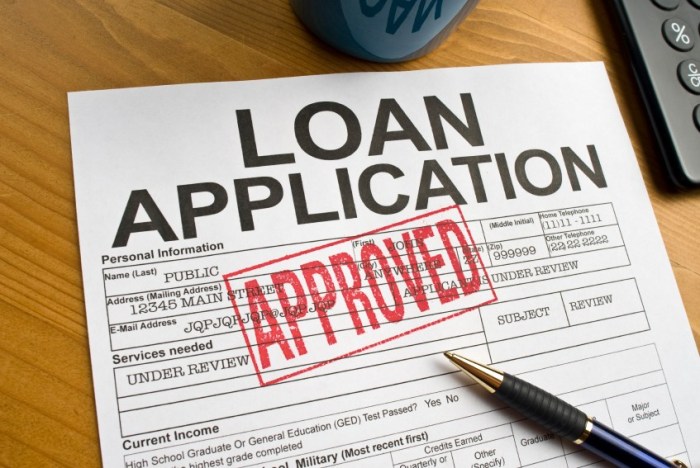
Applying for a loan shouldn’t be a complicated process. Fortunately, several types of loan applications aim to streamline the experience, making borrowing money more accessible and convenient. This section explores the different approaches to easy loan applications, highlighting their strengths and weaknesses.The ease and accessibility of loan applications vary significantly depending on the method used. Broadly, we can categorize them into online and traditional in-person applications, each with its own set of advantages and disadvantages.
Online Loan Applications
Online loan applications have revolutionized the borrowing process. Their primary advantage lies in their convenience and speed. Applicants can complete the entire process from the comfort of their homes, at any time of day. This eliminates the need for travel, appointments, and waiting times associated with traditional methods. Furthermore, many online platforms offer automated data entry and streamlined verification, significantly reducing processing time.
However, a disadvantage is the potential for security concerns related to online data transmission, requiring users to be vigilant about choosing reputable lenders with strong security measures. Another potential drawback is the lack of personal interaction, which can be helpful for those who prefer a more personalized approach. Examples of innovative features include pre-filled forms using data from linked bank accounts (with user permission), instant credit score checks, and real-time application status updates.
Traditional In-Person Loan Applications
Traditional in-person loan applications involve visiting a bank or credit union branch and interacting directly with a loan officer. The primary advantage is the personalized service and the opportunity to ask questions and receive immediate clarification. This personal interaction can be particularly beneficial for those who are unfamiliar with the loan application process or have complex financial situations.
However, this method is significantly less convenient, requiring travel to a physical location during business hours. The processing time is also generally longer than online applications, as it involves manual data entry and verification. The lack of transparency in the application status is another drawback. Many banks and credit unions, however, are adopting hybrid models, offering online portals to track application progress and communicate with loan officers, mitigating some of these disadvantages.
Innovative Features Simplifying Loan Applications
Several innovative features are transforming the loan application process, making it easier and more efficient for both borrowers and lenders. Automated data entry, for example, reduces the time spent filling out forms by automatically populating information from linked bank accounts or other verified sources. Streamlined verification procedures, such as using open banking APIs for instant income verification, reduce processing times considerably.
Real-time application status updates provide transparency and reduce anxiety for applicants. Another example is the use of AI-powered chatbots to answer frequently asked questions and guide applicants through the process. These advancements collectively contribute to a faster, more efficient, and user-friendly loan application experience. For example, a major bank recently implemented a system where approved loan offers are issued within minutes of application completion, subject to certain eligibility criteria, representing a significant improvement over previous processes that could take several days or even weeks.
Improving the Loan Application Experience
A streamlined and user-friendly loan application process is crucial for attracting and retaining customers. A positive experience fosters trust and encourages repeat business. By focusing on accessibility and usability, lenders can significantly improve customer satisfaction and overall efficiency.Improving the user experience involves a multifaceted approach encompassing interface design, clear communication, and proactive customer support. These elements work synergistically to create a seamless and stress-free application journey for borrowers.
Accessible and Usable Interface Design
Designing an accessible and usable interface is paramount. This requires considering users with diverse needs and technical capabilities. The application should be intuitive and easy to navigate, regardless of the user’s technical proficiency or any disabilities they may have.
- Responsive Design: The application should adapt seamlessly to various screen sizes and devices (desktops, tablets, smartphones). This ensures consistent usability across platforms.
- Clear and Concise Language: Avoid jargon and technical terms. Use plain language that is easily understandable for everyone. Provide definitions for any specialized terms that are unavoidable.
- Visual Hierarchy: Employ visual cues like headings, subheadings, bullet points, and whitespace to guide users through the application process. Information should be presented logically and in a clear, structured manner.
- Accessibility Features: Incorporate features such as keyboard navigation, screen reader compatibility, and sufficient color contrast to ensure accessibility for users with disabilities. Compliance with WCAG (Web Content Accessibility Guidelines) is recommended.
User-Friendly Forms and Navigation
The application forms themselves should be designed for optimal usability. This involves minimizing the number of fields, using clear labels, and providing helpful instructions.
- Progressive Disclosure: Instead of presenting all fields at once, reveal them progressively as the user advances through the application. This prevents overwhelming the user with too much information upfront.
- Input Validation: Implement real-time input validation to provide immediate feedback to the user and prevent errors. For example, if a field requires a numerical input, the system should immediately alert the user if they enter text.
- Progress Indicators: Show the user their progress through the application process using progress bars or similar visual cues. This helps maintain engagement and reduces anxiety.
- Error Handling: Provide clear and concise error messages that guide the user on how to correct mistakes. Avoid vague or technical error messages.
Effective Communication and Proactive Support
Clear and consistent communication is key to a positive user experience. Proactive customer support further enhances this experience by addressing potential issues before they escalate.
- Real-time Chat Support: Offering real-time chat support allows users to get immediate assistance with any questions or issues they encounter during the application process. This provides instant feedback and reduces frustration.
- Comprehensive FAQ Section: A well-structured FAQ section can address many common questions and concerns, reducing the need for direct customer support interaction.
- Email and Phone Support: Providing multiple channels for customer support ensures accessibility for users who prefer different communication methods.
- Progress Updates: Regular updates on the status of the loan application keep the user informed and engaged throughout the process. This transparency builds trust and reduces uncertainty.
Security and Privacy in Easy Loan Applications
The increasing popularity of online loan applications necessitates a robust focus on security and data privacy. Borrowers entrust sensitive personal and financial information to lenders during the application process, making the protection of this data paramount. Failure to prioritize security can lead to significant financial and reputational damage for both lenders and borrowers.Protecting user data is not merely a matter of compliance; it’s crucial for building trust and maintaining a positive user experience.
A secure and transparent application process encourages more borrowers to utilize online platforms, ultimately benefiting the lender. Conversely, a breach of security can severely damage a lender’s reputation and lead to a loss of business.
Data Encryption and Secure Transmission
Protecting data during transmission is critical. Lenders should implement robust encryption protocols, such as HTTPS with strong TLS/SSL certificates, to ensure that all data exchanged between the borrower’s device and the lender’s servers remains confidential. This prevents unauthorized access to sensitive information like personal identification numbers (PINs), social security numbers (SSNs), and bank account details. Furthermore, data should be encrypted both in transit and at rest, utilizing methods like AES-256 encryption.
Secure Data Storage and Access Control
Once data is received, secure storage is vital. Lenders should utilize secure databases with robust access control mechanisms, limiting access to authorized personnel only. This includes implementing multi-factor authentication (MFA) for all employees with access to sensitive data. Regular security audits and penetration testing should be conducted to identify and address potential vulnerabilities. Data should be stored in compliance with relevant data protection regulations, such as GDPR or CCPA, depending on the geographic location of the borrowers.
Risk Mitigation Strategies for Unsecured Systems
Poorly designed or unsecured loan application systems expose borrowers and lenders to significant risks. These risks include data breaches leading to identity theft, financial fraud, and reputational damage. For example, a system lacking robust input validation could be vulnerable to SQL injection attacks, allowing malicious actors to access or modify the database. Similarly, a lack of proper authentication mechanisms could allow unauthorized access to sensitive borrower information.
Implementing strong password policies, regular software updates, and comprehensive security training for employees are crucial mitigation strategies. Failure to implement these measures can lead to significant financial losses, legal liabilities, and a tarnished reputation. The 2017 Equifax data breach, which exposed the personal information of millions of individuals, serves as a stark reminder of the consequences of inadequate data security measures.
Loan Application
Loan applications form the bedrock of the modern financial system, facilitating the flow of capital from lenders to borrowers for a wide range of purposes. Their significance lies in their ability to connect individuals and businesses seeking funding with institutions capable of providing it, thereby fueling economic growth and personal advancement. The process, while sometimes perceived as complex, is ultimately a structured assessment of risk and reward.The efficient processing of loan applications is crucial for both borrowers and lenders.
For borrowers, a streamlined process ensures access to needed funds in a timely manner. For lenders, efficient processing minimizes operational costs and maximizes lending opportunities. The entire system relies on transparency and a fair evaluation of creditworthiness.
Types of Loans and Their Application Processes
Different loan types necessitate varying application procedures, reflecting the unique risk profiles associated with each. For instance, a personal loan application typically requires basic financial information, such as income, employment history, and credit score. In contrast, a mortgage application involves a far more extensive process, including property appraisal, income verification, and a detailed review of the borrower’s debt-to-income ratio.
Business loans often demand comprehensive financial statements, business plans, and projections, demonstrating the applicant’s financial stability and growth potential. Auto loans, student loans, and small business loans all have their own specific requirements and application procedures.
The Role of Credit Scores and Financial History
A borrower’s credit score and financial history are paramount in the loan application process. Lenders use these factors to assess the likelihood of repayment. A higher credit score generally translates to better loan terms, including lower interest rates and more favorable repayment schedules. Conversely, a poor credit history may result in loan denial or less favorable terms. The information contained in a credit report, including payment history, outstanding debts, and length of credit history, provides lenders with a comprehensive view of the borrower’s financial responsibility.
This assessment is critical in mitigating risk and ensuring responsible lending practices. For example, a consistent history of on-time payments will significantly improve the chances of loan approval and securing favorable interest rates, whereas late payments or defaults can severely hinder loan application success.
Ultimately, the pursuit of an “easy loan application” boils down to a commitment to user-centric design and technological innovation. By prioritizing accessibility, transparency, and robust security measures, lenders can significantly improve the overall borrowing experience. This guide has highlighted key aspects of this process, empowering both borrowers and lenders to navigate the landscape with greater efficiency and confidence. The future of loan applications lies in simplicity, efficiency, and a user-first approach.
FAQ Explained
What is a credit score, and why is it important?
A credit score is a numerical representation of your creditworthiness, based on your past borrowing and repayment history. Lenders use it to assess your risk and determine loan eligibility and interest rates.
What documents are typically required for a loan application?
Commonly required documents include identification, proof of income, bank statements, and sometimes tax returns. Specific requirements vary depending on the lender and loan type.
What happens if my loan application is denied?
If denied, lenders usually provide a reason. It’s advisable to review your credit report, address any errors, and potentially reapply after improving your financial standing.
How long does the loan application process typically take?
Processing times vary widely, from a few days for simpler loans to several weeks for more complex ones. The speed depends on the lender, loan type, and the completeness of your application.


