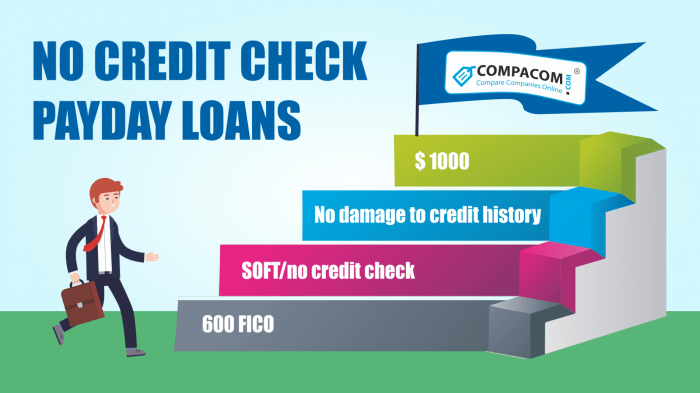
Securing a loan can be a daunting process, especially for individuals with less-than-perfect credit histories. No credit check loans offer a seemingly straightforward alternative, promising quick access to funds without the rigorous credit scrutiny of traditional lenders. However, this convenience often comes with a cost, namely higher interest rates and potential long-term financial implications. This guide explores the intricacies of no credit check loan applications, weighing the benefits against the inherent risks to provide a balanced perspective.
We will delve into the application process, outlining the required documentation and verification methods employed by lenders. We will also compare and contrast no credit check loans with traditional loans, examining interest rates, repayment terms, and the potential consequences of default. Finally, we will explore alternative financing options for those seeking financial assistance without relying on no credit check loans.
Understanding “No Credit Check Loan Application”
Applying for a loan without a credit check can seem appealing, offering a quick path to needed funds. However, it’s crucial to understand the implications before proceeding. These loans often come with higher interest rates and stricter requirements in other areas to compensate for the lender’s increased risk.
Implications of Applying for a Loan Without a Credit Check
Lenders who don’t check credit scores assume a higher risk of default. This is because they lack the historical data to assess the borrower’s reliability in repaying debt. To mitigate this risk, they often charge significantly higher interest rates and fees. Furthermore, missing payments on a no credit check loan can negatively impact your chances of securing future loans, even traditional ones, as some lenders may report missed payments to credit bureaus.
While it might seem like a quick solution, it’s important to weigh the potential long-term consequences.
Typical Requirements for No Credit Check Loans
While credit history isn’t a factor, other aspects of your financial situation become crucial. Lenders typically require proof of income, employment verification, and sometimes a checking account in good standing. They might also request information about your existing debts and assets to gauge your ability to repay the loan. The specific requirements vary between lenders, so it’s vital to compare offers carefully.
Providing accurate and complete information is essential to increase your chances of approval.
Interest Rates of No Credit Check Loans Compared to Traditional Loans
No credit check loans consistently carry significantly higher interest rates than traditional loans. This is a direct consequence of the increased risk for the lender. For example, a traditional loan might offer an annual percentage rate (APR) of 5-10%, while a no credit check loan could range from 20% to upwards of 40% or more, depending on the lender and the borrower’s profile.
This higher interest significantly increases the total cost of borrowing, meaning you’ll repay considerably more than the initial loan amount.
Situations Where a No Credit Check Loan Might Be Suitable
While generally more expensive, there are limited circumstances where a no credit check loan might be a viable, albeit last-resort, option. For instance, someone facing an urgent, short-term financial emergency, like a sudden car repair or unexpected medical bill, with no other immediate access to funds might consider it. However, careful consideration of the high interest rates and potential long-term impact is absolutely necessary.
It’s crucial to explore all other financing options before resorting to this type of loan.
Comparison of No Credit Check Loans and Traditional Loans
| Feature | No Credit Check Loan | Traditional Loan | Comparison |
|---|---|---|---|
| Credit Check | Not required | Required | No credit check loans bypass the credit score assessment, increasing lender risk. |
| Interest Rates | Significantly higher | Generally lower | Expect substantially higher interest costs with no credit check loans. |
| Approval Process | Typically faster | Usually slower | Faster approval is a key benefit, but comes at a cost. |
| Eligibility Requirements | Focuses on income and employment verification | Considers credit score, income, and debt-to-income ratio | Different criteria lead to different eligibility outcomes. |
Risks and Benefits
No credit check loans offer a quick solution for those needing immediate funds, but it’s crucial to understand the potential downsides before applying. While convenient, these loans often come with significantly higher interest rates and fees than traditional loans, leading to a greater overall cost. Weighing the benefits against these risks is essential for making a financially sound decision.High Interest Rates and Their Financial ImplicationsHigh-interest rates are the most significant risk associated with no credit check loans.
These rates can be considerably higher than those offered by banks or credit unions, leading to substantial increases in the total repayment amount. For example, a loan with a 20% APR will cost significantly more than a loan with a 5% APR, even if the principal amount is the same. This added cost can put a strain on your budget and potentially lead to further financial difficulties if not carefully managed.Long-Term Consequences of DefaultDefaulting on a no credit check loan can have severe long-term financial consequences.
Late payments or non-payment can result in additional fees, damage to your credit score (even if it wasn’t checked initially), and potential legal action from the lender. These consequences can make it harder to secure future loans, rent an apartment, or even get a job. The cycle of debt can be difficult to break, impacting your financial well-being for years to come.
For instance, a default could lead to collections agencies contacting you repeatedly, impacting your personal life and potentially leading to wage garnishment.Responsible Borrowing Practices for No Credit Check LoansResponsible borrowing practices are vital when considering a no credit check loan. Before applying, carefully review the loan terms, including the APR, fees, and repayment schedule. Ensure you have a clear understanding of the total cost of the loan and confirm you can comfortably afford the monthly payments without compromising your essential expenses.
Creating a realistic budget and prioritizing essential spending are crucial steps in responsible borrowing. Only borrow what is absolutely necessary and explore alternative financing options first.Comparison with Other Short-Term Borrowing OptionsNo credit check loans are just one of several short-term borrowing options. Alternatives include payday loans, personal loans from banks or credit unions, and borrowing from friends or family.
While no credit check loans offer speed and convenience, they often come with the highest interest rates and fees. Payday loans, although fast, typically have even higher interest rates and shorter repayment periods, increasing the risk of default. Personal loans from reputable institutions usually have lower interest rates but require a credit check and may involve a longer application process.
Borrowing from family or friends can be a good option if possible, avoiding interest and fees altogether.Impact of Loan Fees and APR on Total RepaymentThe Annual Percentage Rate (APR) and loan fees significantly impact the total repayment amount. Let’s consider an example: A $500 loan with a 20% APR and a $50 origination fee over a 12-month term will likely result in a much higher total repayment amount than a similar loan with a lower APR and fewer fees.
The exact amount will depend on the specific repayment terms, but the higher interest and fees will significantly increase the total cost. A simple calculation using an online loan calculator can help illustrate this impact. For example, using a calculator and inputting these figures will show the monthly payment and total repayment amount, clearly demonstrating the effect of APR and fees.
Loan Application (General)
Applying for a loan, whether it’s a no credit check loan or a traditional loan, involves providing the lender with personal and financial information to assess your creditworthiness and repayment ability. A thorough and accurate application is crucial for a successful outcome.General Requirements for a Standard Loan Application typically include personal identification (such as a driver’s license or passport), proof of income (pay stubs, tax returns, or bank statements), and details about your current debts and financial obligations.
Lenders may also request information about your employment history, address history, and sometimes even references. The specific requirements will vary depending on the lender and the type of loan.
Importance of Accurate Information
Providing accurate information on your loan application is paramount. Inaccurate or incomplete information can lead to delays in processing, rejection of your application, or even legal repercussions. Lenders rely on the information you provide to make informed decisions about whether to approve your loan and what terms to offer. Misrepresenting your financial situation is a serious breach of trust and could have significant consequences.
For example, exaggerating your income or failing to disclose existing debts can lead to immediate loan denial.
Reasons for Loan Application Rejection
Several factors can contribute to a loan application being rejected. Common reasons include insufficient income to cover the loan payments, a poor credit history (even for no credit check loans, alternative credit scoring methods may be used), high levels of existing debt, inconsistent employment history, or incomplete or inaccurate application information. Providing insufficient documentation to support the information provided on the application is also a frequent cause for rejection.
For instance, a lender may reject an application if the applicant fails to provide proof of income or if the information provided is contradictory to the information obtained from other sources.
Secured vs. Unsecured Loan Application Process
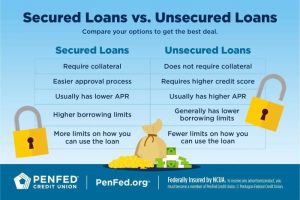
The application process for secured and unsecured loans differs primarily in the requirement for collateral. Secured loans require you to pledge an asset (like a car or house) as collateral, which the lender can seize if you default on the loan. This collateral reduces the risk for the lender, often resulting in a more favorable interest rate. Unsecured loans, on the other hand, don’t require collateral.
The approval process for unsecured loans often involves a more thorough assessment of your creditworthiness and financial history, as the lender bears a higher risk.
Secured vs. Unsecured Loan Comparison
| Loan Type | Collateral | Interest Rate | Risk |
|---|---|---|---|
| Secured Loan | Required (e.g., house, car) | Generally Lower | Lower for Lender, Higher for Borrower (risk of losing collateral) |
| Unsecured Loan | Not Required | Generally Higher | Higher for Lender, Lower for Borrower (no risk of losing collateral) |
Navigating the world of no credit check loans requires careful consideration. While they offer a quick solution for immediate financial needs, understanding the associated risks and exploring alternative options is crucial for responsible borrowing. By weighing the potential benefits against the high costs and long-term consequences, individuals can make informed decisions that align with their financial well-being. Remember, responsible borrowing practices are key to maintaining financial stability.
FAQ Corner
What happens if I default on a no credit check loan?
Defaulting on a no credit check loan can severely damage your credit score, even without a credit check initially. It can also lead to debt collection actions, wage garnishment, and further financial difficulties.
Are there any hidden fees associated with no credit check loans?
Yes, many no credit check loans come with various fees, such as origination fees, late payment fees, and prepayment penalties. These fees can significantly increase the overall cost of the loan.
How can I improve my chances of loan approval?
Even with no credit check loans, lenders often assess your income, employment history, and debt-to-income ratio. Providing accurate and complete information during the application process increases your chances of approval.
What are the alternatives to no credit check loans?
Alternatives include secured loans (using assets as collateral), loans from credit unions, personal loans from banks (even with less-than-perfect credit), and borrowing from family or friends.