Securing a loan can be a pivotal step in achieving financial goals, whether it’s buying a home, funding education, or starting a business. Understanding the intricacies of loan application requirements is crucial for a successful application. This guide navigates the process, demystifying the complexities and empowering you with the knowledge to confidently pursue your financial aspirations.
From understanding different loan types and their associated requirements to navigating credit scores and debt-to-income ratios, we’ll cover all the essential aspects. We’ll also explore strategies for improving your chances of approval and highlight ways to protect yourself from potential scams. This comprehensive overview aims to provide clarity and equip you with the tools needed for a smooth and successful loan application.
Types of Loan Applications
Choosing the right loan can significantly impact your financial future. Understanding the various types available, their associated requirements, and interest rate implications is crucial for making informed decisions. This section details several common loan types, highlighting their key features and potential lenders.
Loan Type Comparison
The following table compares different loan types, outlining their purposes, typical requirements, and interest rate considerations. Interest rates are highly variable and depend on factors like credit score, loan amount, and the lender’s current rates. The examples provided are illustrative and not exhaustive.
| Loan Type | Purpose | Typical Requirements | Interest Rate Considerations |
|---|---|---|---|
| Personal Loan | Debt consolidation, home improvements, major purchases | Good credit score, stable income, proof of identity and residency | Rates vary widely depending on creditworthiness; typically higher than secured loans. Expect rates ranging from 6% to 36% APR. |
| Mortgage | Purchasing a home | Good to excellent credit score, sufficient down payment (often 20%), proof of income and employment, appraisal of the property | Rates fluctuate based on market conditions and the borrower’s credit profile. Fixed-rate mortgages offer predictable payments, while adjustable-rate mortgages (ARMs) have fluctuating interest rates. Expect rates ranging from 4% to 8% APR, but this is highly dependent on the market. |
| Auto Loan | Purchasing a vehicle | Credit score, proof of income, and the vehicle itself serves as collateral. | Interest rates depend on the vehicle’s value, loan term, and the borrower’s credit history. Expect rates ranging from 3% to 18% APR. |
| Student Loan | Financing higher education | Enrollment in an eligible educational program, proof of identity and residency, and sometimes a co-signer. | Interest rates are often subsidized or unsubsidized, varying based on the loan type and the borrower’s status (undergraduate, graduate). Rates can range from 0% to 10% APR, depending on the loan program and eligibility. |
| Business Loan | Funding business operations, expansion, or equipment purchases | Detailed business plan, financial statements, credit history, and potentially collateral. | Rates depend on the business’s financial health, creditworthiness, and the loan type (e.g., term loan, line of credit). Rates can range widely, from 5% to 25% APR or higher. |
Examples of Lenders
Many financial institutions offer various loan types. Examples include:* Personal Loans: Wells Fargo, Chase, LendingClub, SoFi
Mortgages
Quicken Loans, Rocket Mortgage, Bank of America, local credit unions
Auto Loans
Capital One Auto Navigator, Ally, local dealerships, credit unions
Student Loans
Sallie Mae, federal government programs (Direct Loans), private lenders
Business Loans
Small Business Administration (SBA), banks, credit unions, online lenders
Secured vs. Unsecured Loans
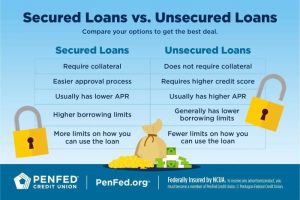
Secured and unsecured loans differ primarily in their collateral requirements.A secured loan requires collateral—an asset the lender can seize if the borrower defaults. Examples include mortgages (home as collateral), auto loans (car as collateral), and some business loans (equipment or property as collateral). Secured loans typically offer lower interest rates because the lender has less risk.An unsecured loan, such as a personal loan or some student loans, doesn’t require collateral.
The lender assesses the borrower’s creditworthiness and income to determine the risk. Unsecured loans usually have higher interest rates to compensate for the increased risk to the lender. A strong credit history is crucial for obtaining favorable terms on unsecured loans.
General Application Requirements

Securing a loan involves more than just filling out a form. A successful application hinges on providing accurate and complete documentation. Lenders require this information to assess your creditworthiness and determine your ability to repay the loan. Failing to provide the necessary documents can significantly delay or even prevent loan approval.
The application process requires careful preparation and attention to detail. Gathering all the necessary documents beforehand will streamline the process and increase your chances of a positive outcome. Remember, accuracy is paramount; any discrepancies or omissions can lead to delays or rejection.
Common Loan Application Documents
Most loan applications require a similar set of documents to verify your identity, income, and credit history. Providing these documents upfront demonstrates your commitment to the process and helps expedite the review.
- Government-Issued Photo Identification: A valid driver’s license, passport, or state-issued ID card is typically required to verify your identity.
- Proof of Income: This could include pay stubs from your employer, tax returns (W-2 forms or 1099s), bank statements showing regular deposits, or proof of self-employment income (e.g., business tax returns).
- Credit Report: Lenders will review your credit report to assess your creditworthiness. A good credit score increases your chances of loan approval and may secure you a better interest rate.
- Proof of Address: Utility bills, bank statements, or rental agreements can serve as proof of your current residence.
- Employment Verification: In some cases, lenders may require direct contact with your employer to verify your employment status and income.
- Asset Documentation: Depending on the loan type, you may need to provide documentation for assets such as savings accounts, investment accounts, or property ownership.
Loan Application Checklist
Using a checklist helps ensure you have gathered all the necessary documentation before submitting your loan application. This reduces the likelihood of delays and ensures a smoother application process.
- ☐ Government-Issued Photo Identification
- ☐ Proof of Income (Pay stubs, Tax Returns, Bank Statements)
- ☐ Credit Report (Obtain a copy from a credit reporting agency)
- ☐ Proof of Address (Utility bills, Bank Statements, Rental Agreement)
- ☐ Employment Verification (Contact information for your employer)
- ☐ Asset Documentation (If applicable)
Importance of Accurate and Complete Information
Submitting an application with inaccurate or incomplete information can have serious consequences. Lenders rely on the information you provide to make informed decisions. Inaccurate information can lead to loan rejection, delays in processing, or even legal repercussions.
It’s crucial to double-check all information for accuracy before submitting your application. Take the time to thoroughly review all documents and ensure they are complete and up-to-date. If you are unsure about any aspect of the application process, contact the lender directly for clarification.
Credit Score and History Impact
Your credit score is a crucial factor in the loan application process. Lenders use it to assess your creditworthiness and determine your eligibility for a loan, as well as the interest rate they’ll offer. A higher credit score generally translates to better loan terms, while a lower score can significantly impact your chances of approval or result in higher interest rates.Lenders use your credit score and history to predict the likelihood of you repaying a loan.
A strong credit history, demonstrated by consistent on-time payments and responsible credit management, indicates a lower risk to the lender. Conversely, a history of missed payments, bankruptcies, or high credit utilization can signal a higher risk, leading to loan rejection or less favorable terms. The specific impact varies among lenders and loan types.
Credit Score’s Influence on Loan Approval and Interest Rates
A higher credit score typically leads to a higher likelihood of loan approval and more favorable interest rates. For example, a borrower with a credit score above 750 might qualify for a lower interest rate on a mortgage than someone with a score below 650. This difference can translate to thousands of dollars saved over the life of the loan.
Lenders often use credit scoring models, such as FICO, to assess risk. These models consider various factors, including payment history, amounts owed, length of credit history, new credit, and credit mix. A higher score within a specific range often qualifies the borrower for a lower interest rate within that lender’s pricing structure. For instance, a borrower with a FICO score of 780 might qualify for a 4% interest rate on a personal loan, while a borrower with a 680 score might only qualify for a 7% rate from the same lender.
Strategies for Improving Credit Scores Before Applying for a Loan
Improving your credit score takes time and consistent effort. Several strategies can help you boost your score before applying for a loan. These include paying all bills on time, consistently reducing your credit utilization ratio (the amount of credit you use compared to your total available credit), and maintaining a mix of credit accounts. It’s also important to avoid opening multiple new credit accounts in a short period.
Regularly checking your credit report for errors and disputing any inaccuracies can also have a positive impact. Finally, paying down existing debts is a crucial step, as a lower debt-to-credit ratio improves your credit score. For example, if you have a credit card with a $1000 limit and consistently use $800, reducing that usage to $200 will significantly improve your credit utilization ratio.
Credit Score Requirements of Different Lenders
Different lenders have varying credit score requirements. Generally, lenders offering loans with lower interest rates often require higher credit scores. For instance, a mortgage lender might require a score of 680 or higher for a conventional loan, while a subprime lender might accept borrowers with scores as low as 580, but at significantly higher interest rates. Similarly, credit card issuers often have varying minimum credit score requirements, depending on the type of card and the credit limit offered.
Some lenders may also consider factors beyond credit score, such as income, debt-to-income ratio, and employment history, in their lending decisions. It’s essential to research and compare lenders to find the best loan terms based on your individual credit profile.
Debt-to-Income Ratio (DTI)
Your debt-to-income ratio (DTI) is a crucial factor lenders consider when assessing your loan application. It provides a clear picture of your ability to manage existing debt while taking on new financial obligations. A lower DTI generally signifies a lower risk to the lender, increasing your chances of approval.Understanding how DTI is calculated and its impact on your loan application is essential for maximizing your chances of securing favorable terms.
DTI Calculation
The DTI is calculated by dividing your total monthly debt payments by your gross monthly income. This ratio is typically expressed as a percentage. The calculation includes all recurring debt payments, such as credit card minimum payments, student loan payments, car loans, and mortgage payments. It’s important to note that it uses your
gross* monthly income (before taxes and other deductions) in the denominator.
DTI = (Total Monthly Debt Payments) / (Gross Monthly Income) – 100%
DTI Impact on Loan Approval
Lenders use DTI to gauge your ability to repay a new loan. A high DTI indicates a larger portion of your income is already committed to debt repayment, leaving less available for a new loan. Conversely, a low DTI suggests you have more financial flexibility and a lower risk of default. While the acceptable DTI varies among lenders and loan types, a lower DTI generally improves your chances of loan approval and often qualifies you for better interest rates.
High DTIs might lead to loan denial or necessitate a higher interest rate to compensate for the increased risk.
Scenario: Comparing Two Applicants
Let’s consider two applicants applying for a $20,000 personal loan.Applicant A has a gross monthly income of $5,000 and total monthly debt payments of $1,000. Their DTI is (1000/5000) – 100% = 20%.Applicant B has a gross monthly income of $4,000 and total monthly debt payments of $3,000. Their DTI is (3000/4000) – 100% = 75%.In this scenario, Applicant A, with a significantly lower DTI, is far more likely to be approved for the loan and might even receive a more favorable interest rate.
Applicant B, with a very high DTI, faces a much higher chance of rejection or will likely be offered a loan with significantly higher interest rates to offset the lender’s perceived risk. This illustrates how a seemingly small difference in DTI can significantly impact loan application outcomes.
Loan Application Process Steps
Applying for a loan can seem daunting, but understanding the process can significantly reduce stress and increase your chances of approval. The steps involved generally follow a similar pattern, although specifics may vary depending on the lender and loan type. Familiarizing yourself with these steps will empower you to navigate the application smoothly and efficiently.
The loan application process typically involves several key stages, each requiring careful attention to detail and accurate information.
Pre-Application Steps
Before formally submitting an application, it’s crucial to prepare. This involves checking your credit report for errors, calculating your debt-to-income ratio (DTI), and gathering necessary financial documents like pay stubs, tax returns, and bank statements. Understanding your financial standing allows you to realistically assess your borrowing capacity and choose a loan that suits your situation. A strong pre-application phase significantly increases your likelihood of approval.
Application Submission
This stage involves completing the loan application form, providing all required documentation, and submitting the application to the lender. Accuracy is paramount; any discrepancies or omissions can delay the process or lead to rejection. Ensure all information is complete and verifiable. Many lenders offer online application portals, streamlining this step.
Loan Underwriting and Review
Once submitted, your application undergoes a thorough review by the lender’s underwriters. They will verify the information you provided, assess your creditworthiness, and determine your eligibility for the loan. This stage involves checking your credit score, DTI, employment history, and other financial factors to assess your risk profile. The lender may also request additional documentation during this review.
Loan Approval or Denial
After the underwriting process, the lender will inform you of their decision. If approved, you’ll receive a loan offer outlining the terms and conditions, including the interest rate, loan amount, repayment schedule, and any associated fees. If denied, the lender typically provides reasons for the denial, which can help you improve your application in the future.
Loan Closing and Disbursement
Upon acceptance of the loan offer, the final stage involves the loan closing process. This might involve signing legal documents, providing additional documentation, and completing any necessary verifications. Once all formalities are completed, the lender will disburse the loan funds according to the agreed-upon terms. This process can involve electronic transfers or checks, depending on the lender and the loan type.
Tips for a Smooth Application Process
- Organize your finances: Gather all necessary financial documents beforehand. This will expedite the process.
- Check your credit report: Identify and correct any errors to improve your credit score.
- Shop around for the best rates: Compare offers from multiple lenders to secure the most favorable terms.
- Read the fine print: Carefully review all loan documents before signing.
- Communicate effectively: Maintain open communication with your lender throughout the process.
Understanding Loan Terms and Conditions
Before you sign on the dotted line for any loan, it’s crucial to thoroughly understand the terms and conditions. These details dictate your repayment responsibilities and overall financial implications. Failing to grasp these specifics can lead to unforeseen difficulties and financial strain down the line. Let’s delve into some key aspects.
Loan agreements are legally binding contracts, outlining the agreement between the lender and the borrower. Understanding these terms is paramount to making informed financial decisions and avoiding potential pitfalls. Key components include interest rates, fees, and the repayment schedule, all of which significantly impact the total cost of the loan.
Interest Rates
Interest rates represent the cost of borrowing money. They are usually expressed as an annual percentage rate (APR), reflecting the yearly interest charged on the outstanding loan balance. Different loan types carry varying interest rates, influenced by factors such as creditworthiness, loan amount, and market conditions. For example, a personal loan might have a higher APR than a mortgage due to its shorter repayment period and higher risk for the lender.
Lower interest rates translate to lower overall borrowing costs. A fixed interest rate remains constant throughout the loan term, providing predictability in monthly payments. Conversely, a variable interest rate fluctuates based on market conditions, potentially leading to fluctuating payments.
Fees
Various fees can be associated with loans, adding to the total cost. Origination fees are typically charged upfront to cover the lender’s administrative costs of processing the loan application. Prepayment penalties may apply if you repay the loan early, while late payment fees are incurred for missed or late payments. These fees can significantly impact the overall cost of borrowing, so it’s essential to understand all applicable fees before accepting a loan.
For instance, a $1000 loan with a $50 origination fee and a 2% prepayment penalty would result in higher total costs compared to a loan with fewer or lower fees.
Repayment Schedules
The repayment schedule details how and when you’ll repay the loan. This usually involves making regular payments, typically monthly, over a specified period. The schedule Artikels the amount of each payment, including principal and interest, and the total number of payments. Shorter repayment periods generally lead to higher monthly payments but lower overall interest costs, while longer periods result in lower monthly payments but higher overall interest costs.
For example, a 3-year loan will have higher monthly payments than a 5-year loan for the same loan amount and interest rate, but will accrue less total interest over its lifetime.
Comparing Loan Terms
Comparing different loan offers requires careful consideration of all terms and conditions. Don’t solely focus on the interest rate; compare total costs, including fees and the overall repayment period. Consider the impact of different repayment schedules on your budget and financial goals. A longer repayment period might seem attractive due to lower monthly payments, but it will ultimately cost more in interest over the life of the loan.
Negotiating Favorable Loan Terms
While lenders set initial terms, there’s often room for negotiation, especially for larger loans or borrowers with strong credit profiles. Shop around and compare offers from multiple lenders to leverage competitive pricing. Highlight your strong credit history and financial stability to negotiate a lower interest rate or reduced fees. Clearly communicate your financial situation and repayment capabilities to build trust and increase your negotiating power.
Be prepared to walk away if the terms aren’t favorable. A well-prepared borrower can often negotiate a better deal than someone who accepts the first offer presented.
Common Reasons for Loan Application Rejection
Loan applications are frequently rejected for a variety of reasons, often stemming from a combination of factors rather than a single issue. Understanding these common pitfalls is crucial for improving your chances of securing the loan you need. By proactively addressing potential weaknesses in your application, you can significantly increase your approval likelihood.
Insufficient Income or Employment History
Lenders assess your ability to repay the loan based on your income and employment stability. A low income relative to the loan amount, inconsistent employment history, or self-employment without sufficient verifiable income documentation are all common reasons for rejection. To address this, provide comprehensive documentation of your income, including tax returns, pay stubs, and bank statements. If self-employed, provide detailed financial records demonstrating consistent profitability.
A longer and more stable employment history also significantly strengthens your application.
Poor Credit Score and History
A low credit score indicates a higher risk to the lender. Late payments, bankruptcies, collections, and high credit utilization ratios all negatively impact your credit score and make loan approval less likely. Improving your credit score takes time, but strategies include paying bills on time, reducing credit utilization, and disputing any inaccurate information on your credit report. If you have negative marks on your credit report, explaining the circumstances surrounding them in a cover letter may help, but it’s not a guarantee of approval.
High Debt-to-Income Ratio (DTI)
Your DTI ratio compares your monthly debt payments to your gross monthly income. A high DTI suggests you may struggle to manage additional debt, making lenders hesitant to approve your application. Lowering your DTI before applying can significantly improve your chances. This might involve paying down existing debts or seeking a smaller loan amount. Lenders typically prefer a DTI below 43%, although this can vary depending on the lender and type of loan.
Incomplete or Inaccurate Application Information
Submitting an incomplete or inaccurate application is a surefire way to get rejected. Lenders require complete and accurate information to assess your creditworthiness. Errors or omissions can lead to delays and ultimately, rejection. Carefully review your application before submitting it, ensuring all fields are filled out correctly and all required documentation is included. Double-check all financial figures for accuracy.
Hypothetical Example of a Rejected Application
Imagine Sarah applies for a $20,000 personal loan. Her credit score is 550 due to several late payments and a recent collection. She is self-employed with inconsistent income, and her DTI is 55%. Her application is incomplete, missing several required financial documents. The lender rejects her application due to her poor credit history, high DTI, inconsistent income, and incomplete application.
To improve her chances in a future application, Sarah should focus on improving her credit score, documenting her income more thoroughly, paying down existing debts to lower her DTI, and ensuring her application is complete and accurate.
Protecting Yourself from Loan Scams
The world of personal finance can be complex, and unfortunately, this complexity makes it easier for unscrupulous individuals and organizations to prey on vulnerable borrowers. Understanding common loan scams and implementing protective measures is crucial to safeguarding your financial well-being. Failing to do so can lead to significant financial losses and lasting damage to your credit.Loan scams often exploit the urgency and desperation of those seeking financial assistance.
They employ deceptive tactics designed to trick borrowers into revealing sensitive personal and financial information or paying upfront fees for loans that never materialize. Awareness of these tactics is your first line of defense.
Common Loan Scam Tactics
These scams often involve promises of quick approval, minimal documentation, and exceptionally favorable terms, all of which should raise red flags. Be wary of any loan offer that seems too good to be true. Examples include advance-fee loans, where borrowers are asked to pay upfront fees for a loan that is never disbursed; fake lenders operating through websites or social media that mimic legitimate financial institutions; and phishing emails or text messages that appear to come from reputable lenders but actually aim to steal personal information.
Another common tactic is the use of high-pressure sales tactics to rush borrowers into making decisions without proper consideration.
Avoiding Loan Scams
Several steps can significantly reduce your risk of becoming a victim. Always verify the legitimacy of a lender before sharing any personal information. Check the lender’s registration with relevant authorities and read online reviews from previous borrowers. Never pay upfront fees for a loan. Legitimate lenders do not require such payments.
Be cautious of unsolicited loan offers, especially those received via email or text message. Instead, proactively search for lenders through trusted channels such as your bank or credit union. If a loan offer seems too good to be true, it probably is. Take your time to carefully review the terms and conditions before signing any loan agreement.
Finally, maintain good financial habits and build a strong credit history, making you a less attractive target for scammers.
Reporting Loan Scams
If you suspect you have been a victim of a loan scam, report it immediately to the appropriate authorities. This includes contacting your local law enforcement agency, the Federal Trade Commission (FTC), and your state’s attorney general’s office. The FTC maintains a website and hotline for reporting fraud, and they can provide valuable resources and guidance on how to proceed.
Furthermore, if the scam involved a specific financial institution or online platform, reporting it to them directly is also advisable. Document all communication with the scammer, including emails, text messages, and any payment records, as this evidence will be crucial in your investigation. Remember, reporting a scam not only protects you but also helps prevent others from becoming victims.
Successfully navigating the loan application process hinges on thorough preparation and a clear understanding of the requirements. By meticulously gathering necessary documentation, improving your credit score where needed, and presenting a comprehensive application, you significantly increase your chances of approval. Remember, understanding your debt-to-income ratio and exploring alternative financing options if necessary, can further enhance your prospects. With careful planning and a proactive approach, securing the loan you need can become a reality.
Top FAQs
What happens if I have a bankruptcy on my credit report?
A bankruptcy significantly impacts your credit score and may hinder loan approval. Lenders will assess the age and type of bankruptcy, and you may need to demonstrate financial stability and responsible credit management since the bankruptcy.
Can I apply for a loan with a low credit score?
While a low credit score makes approval more challenging, it’s not impossible. You may qualify for loans with higher interest rates or stricter terms. Consider improving your credit score before applying, or explore loans designed for borrowers with less-than-perfect credit.
How long does the loan application process typically take?
The timeframe varies depending on the lender and loan type. It can range from a few days to several weeks. Faster processing is often associated with online applications and pre-qualification.
What if my income is inconsistent?
Lenders may require more comprehensive documentation, such as tax returns or bank statements spanning several years, to assess your income stability. Clearly explaining the reasons for income inconsistencies and demonstrating overall financial responsibility is crucial.